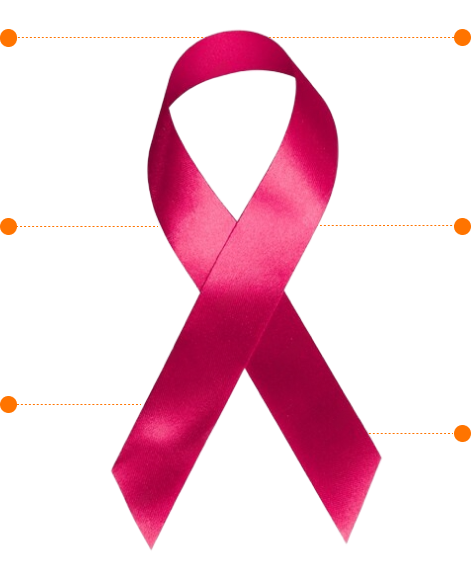
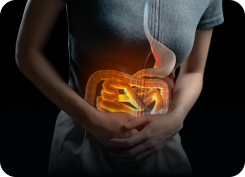
Loss of appetite, fatigue & Unexpected Weight Loss
Unexpected bleeding
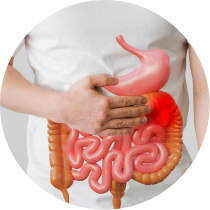
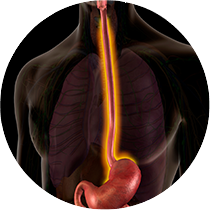
Difficulty swallowing, persistent indigestion
Fever or night sweats
Nausea, vomiting, headache, seizures
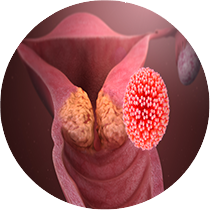
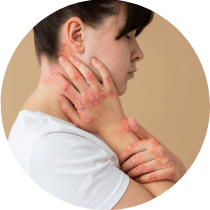
Unusual lump or ulcer
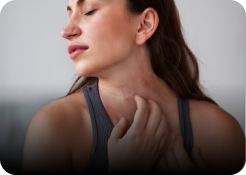
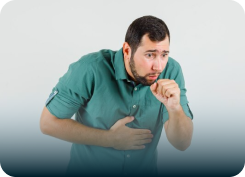
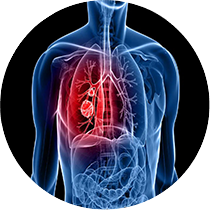
Persistent cough, hoarseness of voice
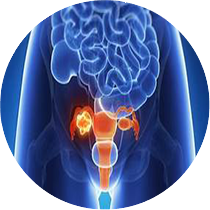
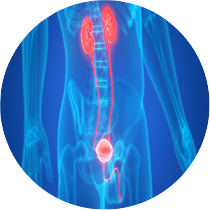
Unexplained pain, Change in bowel and bladder habits
Risk Factors &
Causes
Tobacco and Alcohol
These items contain direct carcinogens that can have a negative impact on DNA, resulting in the rapid growth of white blood cells, forming cancer.
Lack of Exercise and Obesity
Zero to low physical activity may lead to obesity. This condition may cause hormonal imbalance and inflammation, resulting in a higher risk of cancer.
Poor Dietary Habits
Consuming a diet lacking nutrients reduces your body’s ability to combat and restrict abnormal growth of blood cells, therefore increasing the risk of cancer.
Genetic Defects
Inherited genetic mutations may disrupt normal cell regulation, elevating the risk
of uncontrolled cell proliferation and cancer.
Hereditary Causes
Congenital or naturally developed issues are examples of genetic anomalies that may considerably increase the chances of cancer.
Hormones
Hormonal imbalances can cause
irregular cell division, increasing the
chances of cancer development in the long run.
Environmental Causes
Exposure to environmental carcinogens increases the risk of genetic mutations, therefore resulting in the growth of cancer-causing symptoms.
Occupational Causes
Certain professions expose individuals to carcinogenic substances, therefore affecting cellular growth adversely and promoting cancer.
Infection and Inflammation
Lasting infections and chronic inflammation create breeding grounds
for DNA damage and irregular cell development, leading to cancer.
Radiation
Ionizing radiation directly damages DNA, increasing the probability of mutations that can, in turn, trigger cancer faster than expected.
Old Age
Trauma, stress, anxiety, and critical procedures such as organ transplantation
Others
Trauma, stress, anxiety, and critical procedures such as organ transplantation